
Drifter build: Reliable melee anchor
A practical Drifter build framework: role, turn planning, equipment priorities, perk choices and common mistakes.
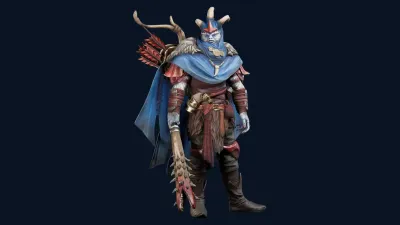
What is this build trying to do?
Select a primary attack engine and a small supporting package of movement, sustain and track management. Upgrade consistency before adding a second unrelated damage plan. Evaluate equipment by how often it solves a problem during your normal turn.
This is a role-based strategy framework. It does not claim to be a verified level-by-level digital card, equipment or perk list. Check the current digital card text before making an irreversible selection.
How do you set up a repeatable turn?
- Choose the persistent track most relevant to the scenario’s main job.
- Use repeatable actions while watching how many charges remain.
- Maintain the useful track before it disappears and leave another movement option available.
Choose a clear job for the scenario instead of activating every persistent bonus. A straightforward melee plan gives the party a reliable point of contact, but movement and healing can matter more when objectives demand travel. Check your active tracks before selecting cards.
Which cards should you prioritize?
Choose one primary role and protect its charged persistent effects. A melee anchor needs repeatable attacks and enough movement to reach the next engagement; a support version needs healing and charge maintenance rather than the same damage hand with one heal added. Fortitude, Like the Wind and Against All Odds are digital-confirmed candidates. Check both halves when choosing which card to lose, since a future charge-management turn can matter more than an immediate attack.
Compare a candidate card against the job your current hand cannot accomplish: reaching a useful hex, making the primary attack legal, surviving the next enemy action or recovering a disrupted turn. Avoid upgrading a number while losing the only action that keeps the sequence reliable. Exact level selections remain subject to digital Codex verification.
How should equipment and perks support the plan?
A front-line build should solve repeated incoming attacks and movement first. A ranged or healing build can instead value reach and recovery. An item is not efficient merely because Drifter can technically use it in another role: match purchases to the persistent package actually active.
Inspect whether a perk improves the normal role or tempts you to add another engine. Digital notes say Scavenger was redesigned, so read the current wording instead of importing a tabletop recommendation. Remove inconsistency when it repeatedly weakens the hero’s routine contribution.
What should you change when the plan fails?
A route through allies can affect Like the Wind’s token accounting in digital. Preview the actual movement and track change; do not calculate your remaining charges from the straight-line distance alone.
Identify whether the failure was positioning, timing, a resource shortage or a party mismatch before replacing the entire hand. Record a change and test it over another expedition rather than changing several decisions at once.
Which references help with this build?
Start with the Drifter class reference, use party composition to assign allies’ roles, and revisit card economy when the party exhausts before completing its objective.
Evidence boundary: Digital starter identity verified; strategy is editorial and tabletop-informed, not a tested 1.0 card list.
Sources and version notes
Researched on October 16, 2026 for the digital edition. Strategic recommendations are editorial advice; they are not represented as hands-on testing. Refer to current in-game tooltips when a patch changes an interaction.
- Frosthaven Steam store — Digital: release date, six starters, co-op, outpost and combat overview
- Official Frosthaven game website — Digital: starter roster, Geminate forms and official media
- Cephalofair official Frosthaven FAQ — Tabletop ONLY: class mechanics and rules context; not a claim of exact digital implementation
- Character Spotlight: Drifter — Primary official digital announcement; historical patch facts require current-version context.
- Patch Notes 0.31273 — Primary official digital announcement; historical patch facts require current-version context.
- Patch Notes Hotfix 29497 — Primary official digital announcement; historical patch facts require current-version context.
- Patch Notes 0.10.7, Introducing “Road to Frosthaven”! — Primary official digital announcement; historical patch facts require current-version context.
- Patch Notes 0.32895 — Primary official digital announcement; historical patch facts require current-version context.
- Patch Notes 0.10.2 Hotfix — Primary official digital announcement; historical patch facts require current-version context.
Gallery
Related Articles
builds
Banner Spear build: Formation captain
A practical Banner Spear build framework: role, turn planning, equipment priorities, perk choices and common mistakes.
builds
Blinkblade build: Tempo skirmisher
A practical Blinkblade build framework: role, turn planning, equipment priorities, perk choices and common mistakes.
builds
Boneshaper build: Sustainable summon line
A practical Boneshaper build framework: role, turn planning, equipment priorities, perk choices and common mistakes.
Was this helpful?
Thank you. You can report a correction through the contact page.